How I Fixed My Chronic Pain: The Acupuncture and Movement Routine That Actually Works
Chronic pain used to define my days—until I discovered the powerful combo of acupuncture and targeted movement. I’m not a doctor, but after years of trial and error, I’ve built a routine that brings real relief. This isn’t about miracles; it’s about science-backed practices that support recovery. If you’re tired of temporary fixes, this approach might be what you’ve been missing. Always consult a licensed professional, but know this: healing is possible. Pain doesn’t have to be your normal. With the right tools, many people find meaningful improvement—not by erasing the past, but by reshaping their daily habits and expectations.
The Hidden Link Between Acupuncture and Mobility
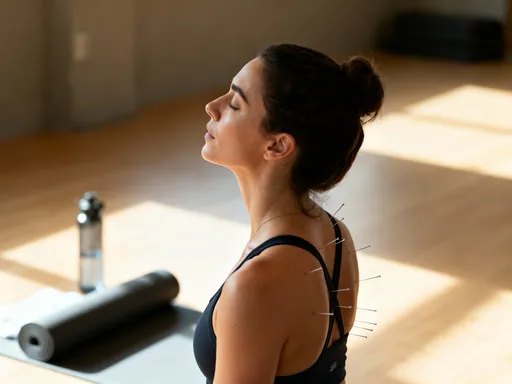
For years, chronic pain was treated as either a mechanical issue to be fixed through physical therapy or a neurological signal to be suppressed with medication. But emerging research shows that the most effective solutions lie in the space between these two approaches. Acupuncture, a practice rooted in traditional Chinese medicine, has gained recognition in modern pain science for its ability to influence neuromuscular function and modulate pain signals. Clinical studies have demonstrated that needle insertion at specific points can activate A-delta and C fibers in the skin and muscle, triggering the central nervous system to release endorphins and serotonin—natural pain-relieving chemicals. This isn’t placebo; it’s physiology in action.
At the same time, acupuncture appears to reduce local inflammation and muscle guarding, two key contributors to restricted mobility. When muscles are in a constant state of tension, they limit joint range of motion and alter movement patterns. This creates a cycle: pain leads to stiffness, stiffness leads to compensation, and compensation leads to more pain. Acupuncture helps interrupt this cycle by calming overactive nerves and improving microcirculation in affected tissues. Enhanced blood flow delivers oxygen and nutrients needed for repair while removing metabolic waste that can irritate nerves and prolong discomfort.
What makes this especially powerful is how it complements movement-based rehabilitation. While acupuncture prepares the body by reducing pain and muscle tone, targeted movement re-educates the nervous system and rebuilds functional strength. This integration of ancient technique and modern science forms a synergy that neither approach can achieve alone. Think of acupuncture as resetting the body’s alarm system, while movement teaches it how to move safely again. Together, they create a foundation for lasting change rather than temporary relief.
Why Standard Rehab Often Falls Short
Many people enter physical therapy with hope, only to leave frustrated when progress stalls. Conventional rehabilitation often focuses on isolated muscle strengthening or joint mobilization, which can be helpful in acute injuries but less effective for chronic conditions. The problem isn’t the therapists—it’s the model. Too often, treatment remains passive: patients receive manual therapy, heat, or electrical stimulation but aren’t given a clear, progressive plan to actively engage their bodies afterward. Without this bridge between treatment and daily function, gains are easily lost.
Another common gap is the failure to address the nervous system’s role in chronic pain. When pain persists beyond the expected healing time, the brain and spinal cord can become hypersensitive. This means even normal movements may be interpreted as threatening, causing the body to guard and tighten unnecessarily. Standard rehab protocols don’t always include strategies to calm this heightened state. As a result, patients may be physically capable of moving but psychologically and neurologically resistant to doing so. The fear of pain becomes a barrier to recovery.
Additionally, many programs underestimate the importance of consistency and pacing. People are often told to “exercise more” without guidance on how much, how often, or at what intensity. This can lead to overexertion on good days and complete withdrawal on bad ones—a boom-and-bust cycle that worsens symptoms over time. What’s missing is a dual-approach strategy: one that combines hands-on therapy to reduce immediate discomfort with a carefully structured movement plan that builds confidence and capacity gradually. Without both, long-term improvement remains out of reach.
My Personal Journey: From Stiffness to Strength
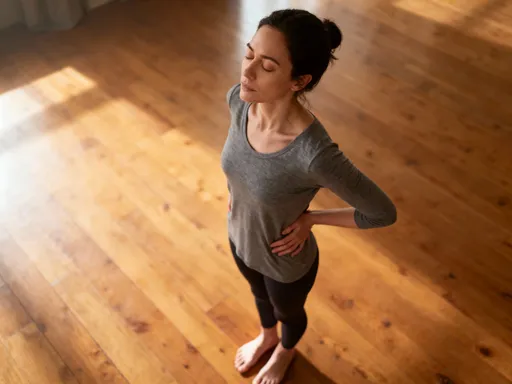
For over a decade, lower back pain dictated my life. It started after a minor fall, but instead of healing, the discomfort lingered, then deepened. I tried everything: chiropractic adjustments, prescription painkillers, yoga, even expensive mattresses. Some brought short-term relief, but nothing stopped the cycle of flare-ups. I became afraid of bending over, lifting groceries, even sitting for long periods. My identity began to shift—I was no longer the active, capable woman I once knew, but someone defined by limitation and caution.
The turning point came when a friend suggested acupuncture. Skeptical but desperate, I made an appointment with a licensed practitioner who specialized in pain management. The first session was surprising. Instead of focusing only on my back, the acupuncturist assessed my posture, gait, and breathing. She explained that pain wasn’t just local—it was connected to how I moved, stood, and even breathed. Over the next few weeks, regular sessions reduced my baseline pain level significantly. More importantly, I noticed I could move more freely, as if a weight had been lifted from my nervous system.
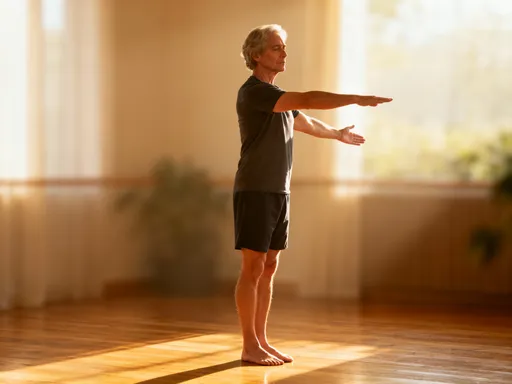
But the real transformation happened when she introduced me to a guided movement routine. It wasn’t intense or flashy—just simple, deliberate exercises designed to restore coordination and stability. We started with diaphragmatic breathing to activate the core and calm the stress response. Then came gentle joint articulation drills to improve spinal mobility. Each movement was low-load and repeatable, building neuromuscular confidence without triggering pain. Over time, these small actions added up. I regained the ability to garden, walk without a brace, and sleep through the night. Most importantly, I regained a sense of control.
The Science Behind the Synergy
The reason this combination works so well lies in physiology. Acupuncture doesn’t just distract from pain—it changes the body’s internal environment. Studies using functional MRI have shown that acupuncture can deactivate areas of the brain associated with pain processing, such as the anterior cingulate cortex and insula. At the same time, it stimulates the release of endorphins and activates the parasympathetic nervous system—the “retreat and restore” mode. This shift is crucial because chronic pain often keeps the body in a constant state of “fight or flight,” which increases muscle tension and slows healing.
When the nervous system is calmer, tissues are more receptive to repair. Blood flow improves, inflammation decreases, and cellular regeneration accelerates. This creates an optimal window for movement. Exercise performed in a parasympathetic-dominant state is more effective because the body isn’t fighting itself. Muscles can lengthen, joints can glide, and motor patterns can be retrained without the interference of protective guarding. In essence, acupuncture doesn’t replace exercise—it enables it.
Research supports this synergy. A 2020 randomized controlled trial published in the *Journal of Pain Research* found that patients with chronic low back pain who received acupuncture combined with motor control exercises showed significantly greater improvement in pain scores and functional mobility than those who received either treatment alone. Another study in *Evidence-Based Complementary and Alternative Medicine* reported that acupuncture enhanced the effects of physical therapy by improving pain tolerance and adherence to exercise programs. These findings suggest that the integration of needling and movement isn’t just theoretical—it’s evidence-based.
Building Your Recovery Movement Plan
Creating an effective movement plan starts with intention: this isn’t about fitness, it’s about function. The goal is to restore the body’s ability to move efficiently and without fear. A well-structured program progresses through three phases: mobility, stability, and functional strength. Each phase builds on the last, ensuring that gains are sustainable and integrated into daily life.
The first phase focuses on mobility drills—gentle movements that improve joint range and tissue glide. Examples include pelvic tilts, cat-cow stretches, and ankle circles. These are done slowly, with attention to breath and sensation. The purpose is to “wake up” dormant movement patterns and reduce stiffness without provoking pain. Diaphragmatic breathing is often incorporated here, as it helps engage the deep core muscles and downregulate the nervous system.
The second phase introduces stability work. This involves isometric holds and controlled movements that teach the body to maintain alignment under load. Exercises like dead bugs, bird-dogs, and wall squats are effective because they challenge coordination without straining joints. The emphasis is on quality, not quantity—performing each repetition with precision and awareness. This phase rebuilds the neuromuscular connection, helping the brain “remember” how to stabilize the spine and pelvis during everyday activities.
The third phase integrates functional strength—movements that mimic real-life tasks, such as stepping, reaching, and lifting. These are introduced gradually, starting with low resistance and increasing only when form remains consistent. Timing is also important: many people find the best results when movement sessions follow acupuncture by 24 to 48 hours, when pain is lowest and tissue responsiveness is highest. A typical routine might include 10 to 15 minutes of daily movement, split into two short sessions to avoid fatigue.
What to Expect: Realistic Outcomes and Timelines
It’s important to set realistic expectations. This is not a quick fix. Most people begin to notice subtle changes within two to four weeks—perhaps easier turning in bed, less stiffness in the morning, or improved posture. More significant improvements in pain and function typically emerge over six to twelve weeks, assuming consistent effort and professional guidance. The timeline varies based on factors like the duration of pain, lifestyle habits, and individual physiology.
Some days will feel better than others, and that’s normal. Progress in chronic pain recovery is rarely linear. There may be setbacks, especially during periods of stress or increased activity. The key is to view these not as failures but as feedback. They offer insight into what your body can handle and where it needs more support. Adjusting intensity, pacing activities, and returning to foundational exercises during flare-ups can prevent long-term regression.
Professional oversight is essential. A licensed acupuncturist and a physical therapist or rehabilitation specialist can help tailor the approach to your specific needs. They can identify movement dysfunctions, adjust needle placement for maximum effect, and modify exercises as you progress. Self-management is empowering, but it works best when built on expert assessment and ongoing support. Individualized adjustments make the difference between generic advice and a plan that truly fits your body.
Integrating Into Daily Life—Sustainable Healing
Lasting recovery isn’t achieved in clinics—it’s built in the small moments of daily life. One of the most powerful tools is posture awareness. Simple cues, like keeping your ears aligned over your shoulders or your feet flat on the floor while sitting, can reduce strain over time. Setting reminders to shift positions every 30 minutes prevents prolonged static loading, which can reignite pain. These habits don’t require effort—just attention.
Movement snacks—short bursts of gentle activity throughout the day—are another key strategy. A two-minute stretch at your desk, a few pelvic tilts while brushing your teeth, or a slow walk after meals keeps the body moving without overloading it. These micro-movements maintain joint lubrication, support circulation, and reinforce new motor patterns. Over time, they become second nature, reducing reliance on formal exercise sessions alone.
Stress management also plays a critical role. Emotional stress amplifies physical tension, so practices like mindful breathing, meditation, or listening to calming music can support pain reduction. Building a support system with trusted practitioners ensures accountability and continuity. Regular check-ins with your acupuncturist or therapist help track progress and make timely adjustments.
In the end, long-term healing is not about perfection—it’s about consistency, self-awareness, and compassion. It’s learning to listen to your body, honor its limits, and move with intention. This method doesn’t promise a pain-free life, but it offers something more valuable: the ability to live fully, despite past struggles. Always remember, this approach supports wellness but does not replace diagnosis or treatment by qualified healthcare providers. Healing is possible—and it begins with a single, mindful step.