What I Learned About Food Taboos the Hard Way – Real TCM Insights
Living with constant fatigue and digestive issues, I once thought I was eating “healthy.” But after years of trial and error, I realized my diet was clashing with my body’s true needs. Through deep TCM (Traditional Chinese Medicine) guidance, I discovered how food taboos aren’t about restriction—they’re about harmony. This journey taught me that what you *don’t* eat can be as vital as what you do. What seemed like minor dietary choices—smoothies for breakfast, raw salads for lunch, iced tea all day—were slowly weakening my digestion and draining my energy. TCM helped me see food not just as fuel, but as medicine that either supports or disrupts the body’s balance. This is not about strict rules or fear-based eating. It’s about wisdom, awareness, and learning to listen to your body in a way modern diets often ignore.
The Hidden Problem: Why Modern Diets Clash with TCM Principles
Many people today follow what they believe to be healthy eating patterns—plant-based meals, green juices, raw vegetables, and cold smoothies consumed daily. While these foods are often praised in mainstream nutrition, they may not align with the deeper principles of balance emphasized in Traditional Chinese Medicine. In TCM, health begins with strong digestion, governed by the Spleen and Stomach Qi. These organs thrive on warmth and regularity. When we consistently eat cold, raw, or hard-to-digest foods, we burden the digestive system and weaken this vital energy. Over time, this leads to symptoms like bloating, fatigue, loose stools, and a persistent feeling of heaviness.
One of the most common misunderstandings is the belief that raw foods are inherently healthier. While they contain enzymes and nutrients, TCM teaches that the body must expend extra energy to warm and break them down. For someone with already compromised digestion, this creates a net loss of energy rather than a gain. Think of the digestive system as a stove: if you keep throwing wet wood on a low flame, the fire will eventually go out. Cold smoothies and refrigerated meals are like pouring water on that flame. The result? Poor nutrient absorption, accumulation of internal dampness, and sluggish Qi flow—all conditions that set the stage for chronic imbalance.
Real-life examples are everywhere. A woman in her early 40s eats a large green salad every day for lunch, believing it’s the healthiest option. Yet she struggles with afternoon fatigue, gas, and irregular bowel movements. From a TCM perspective, the raw greens, especially when eaten cold, are overwhelming her Spleen Qi. Another example is the young mother who drinks iced coffee every morning to stay alert. She doesn’t realize that the cold temperature impairs her digestive fire from the start of the day, contributing to her recurring indigestion and low energy by mid-afternoon. These habits, often praised in modern wellness culture, may actually be undermining long-term vitality.
Food Taboos in TCM: More Than Just “Don’t Eat This”
In Traditional Chinese Medicine, food taboos are not arbitrary rules designed to limit enjoyment. Instead, they are practical guidelines rooted in centuries of observation and clinical experience. These taboos help prevent disharmony by guiding people away from combinations or foods that disrupt the body’s internal environment. For instance, one well-known caution is not to eat crab with persimmon. While both are nutritious in their own right, when consumed together, they can create a cold and damp condition in the digestive tract, leading to abdominal pain, bloating, or even acute digestive upset. This is not superstition—it reflects the TCM understanding of how certain foods interact energetically.
Another example is the warning against mixing cold and greasy foods. Eating fried food with a cold drink may seem normal in many cultures, but TCM views this as a recipe for phlegm and dampness accumulation. The cold constricts the digestive process, while the grease adds heaviness, making it difficult for the Spleen to transform and transport nutrients properly. Over time, this pattern can contribute to weight gain, lethargy, and a coated tongue—a classic sign of internal dampness. These taboos are not about fear or deprivation, but about awareness and respect for how food affects the body beyond calories and macronutrients.
It’s also important to understand that food taboos in TCM are highly individualized. What is contraindicated for one person may be perfectly fine for another, depending on constitution, season, and current health condition. For example, someone with a hot constitution may benefit from cooling foods like cucumber or watermelon, while the same foods could worsen symptoms for someone with a cold constitution. The key is not to follow a rigid list, but to learn the principles behind the taboos so you can make informed choices. This personalized approach is one of TCM’s greatest strengths—offering guidance that adapts to the person, not the other way around.
Cooling vs. Warming Foods: Balancing Your Internal Climate
One of the foundational concepts in TCM nutrition is the thermal nature of food—whether it is cooling, warming, or neutral. This classification is not about the food’s physical temperature, but its effect on the body’s internal environment. Cooling foods, such as cucumber, watermelon, and raw greens, tend to clear heat and reduce inflammation. Warming foods, like ginger, cinnamon, and cooked root vegetables, support digestion and boost energy. Neutral foods, such as rice and carrots, are generally safe for most people and help maintain balance.
Understanding your own body’s tendencies is crucial in applying this principle. If you often feel cold, have poor circulation, or experience loose stools, you likely have a cold constitution and should limit cooling foods. On the other hand, if you frequently feel hot, sweat easily, or suffer from acne or irritability, you may have a hot constitution and benefit from more cooling foods. The goal is not to eliminate entire food groups, but to adjust the balance based on your unique needs. For instance, a woman in her 50s going through menopause may experience hot flashes and night sweats—signs of internal heat. In this case, reducing warming spices and fried foods while increasing cooling vegetables like celery and spinach can bring relief.
Seasonal changes also play a major role in this balance. In summer, when external heat is high, the body naturally benefits from cooling foods to prevent overheating. Think of eating more melons, mung beans, and leafy greens. In winter, when the environment is cold, warming foods like soups, stews, and root vegetables help maintain internal warmth and support immunity. Ignoring these natural rhythms—such as drinking iced beverages in winter or eating heavy stews in summer—can create internal conflict and weaken the body’s resilience. By aligning your diet with both your constitution and the season, you support your body’s innate ability to stay in balance.
The Digestive Fire: Protecting Your Spleen and Stomach Qi
In TCM, the digestive system is often referred to as the “digestive fire,” a metaphor for the metabolic energy needed to break down food and extract nutrients. This fire is centered in the Spleen and Stomach, organs responsible for transforming food into Qi and blood. When this fire is strong, digestion is efficient, energy is abundant, and the body feels light and clear. When it is weak, the opposite occurs: food sits undigested, dampness accumulates, and fatigue sets in. Protecting and nurturing this fire is one of the most important aspects of long-term health in TCM.
Modern eating habits often unknowingly damage this digestive fire. Skipping meals, eating on the go, or consuming large amounts of raw and cold foods all strain the system. Eating late at night, especially heavy or greasy meals, forces the digestive organs to work when they should be resting, leading to poor digestion and disrupted sleep. Even something as simple as drinking cold water during meals can dampen the digestive fire, making it harder for the stomach to process food effectively. Over time, these small habits accumulate, leading to chronic digestive discomfort and low energy.
The good news is that the digestive fire can be restored with consistent, mindful changes. Eating warm, cooked meals is one of the most effective ways to support digestion. Foods like congee (a rice porridge), soups, and steamed vegetables are easy to break down and provide nourishment without overburdening the system. Chewing food thoroughly is another simple yet powerful practice—it begins the digestive process in the mouth and reduces the workload on the stomach. Avoiding cold drinks during meals, especially iced beverages, helps preserve the warmth needed for optimal digestion. These adjustments may seem small, but their cumulative effect can be transformative, especially for those who have struggled with digestive issues for years.
Seasonal Eating: Aligning Your Diet with Nature’s Rhythm
Traditional Chinese Medicine places great emphasis on living in harmony with the seasons. Each season brings different energies and environmental conditions, and the body responds best when diet and lifestyle reflect these changes. In spring, when energy begins to rise and expand, foods that support liver function and detoxification—such as leafy greens, sprouts, and mild herbs—are encouraged. Summer, a time of peak yang energy, calls for cooling, hydrating foods to prevent overheating. Autumn, associated with the lungs and dryness, benefits from moistening foods like pears, honey, and nuts. Winter, the most yin time of year, is ideal for warming, nourishing foods that build internal reserves and support kidney energy.
Ignoring these natural rhythms can lead to imbalance. For example, eating too many cooling foods in winter—like salads and smoothies—can weaken the body’s yang energy, making one more susceptible to colds and fatigue. Conversely, consuming heavy, warming foods in summer can lead to overheating, restlessness, and skin issues. Seasonal eating is not about rigid rules, but about observing what the body needs at different times of the year. Farmers’ markets and local produce offer a natural guide—what grows locally and abundantly in each season is often what the body needs most.
Practical meal examples can make this easier to apply. In winter, a nourishing lamb and root vegetable stew seasoned with warming spices like ginger and star anise supports the body’s need for warmth and strength. In summer, a light dish of mung bean soup with cucumber and mint helps clear heat and refresh the system. Even small adjustments—like switching from iced tea to room-temperature herbal infusions in cooler months—can make a noticeable difference in how you feel. Seasonal eating connects us to the natural world and reminds us that health is not just about what we eat, but when and how we eat it.
Personal Experience: How I Fixed My Health by Changing My Plate
For years, I struggled with constant fatigue, bloating, and a sense of heaviness that no amount of sleep could fix. I ate what I thought was a clean, healthy diet—green smoothies for breakfast, raw salads for lunch, and grilled fish with vegetables for dinner. I avoided processed foods and sugar, exercised regularly, and got enough rest. Yet, I still felt drained by midday and often had digestive discomfort after meals. It wasn’t until I consulted a TCM practitioner that I began to understand the root of the problem: my diet was too cold and raw for my constitution.
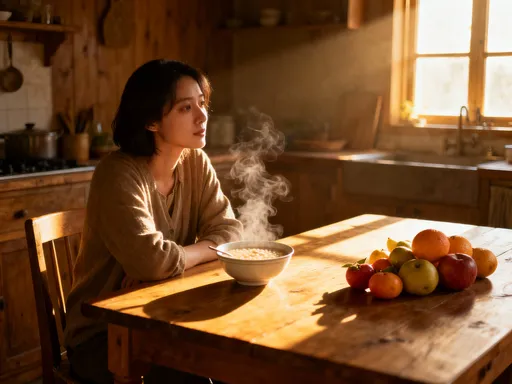
The first change I made was replacing my morning smoothie with a warm bowl of congee made with rice, ginger, and a small amount of chicken. At first, it felt strange—so different from the cold, sweet drink I was used to. But within days, I noticed my morning nausea disappeared, and I had more stable energy. I also stopped drinking iced water and switched to warm or room-temperature tea throughout the day. I began eating more cooked vegetables and reduced my intake of raw salads, especially in the colder months. I learned to time my meals more consistently, avoiding late-night eating and ensuring I had a proper breakfast to support my Spleen Qi.
The transformation wasn’t overnight, but over several months, the changes became undeniable. My digestion improved significantly—less bloating, regular bowel movements, and no more post-meal fatigue. My energy levels stabilized, and I no longer needed afternoon naps. I also noticed that I caught fewer colds, a sign that my overall resilience had improved. This wasn’t about perfection—I still enjoy raw vegetables and occasional cold drinks—but now I make those choices with awareness, not habit. This journey taught me that true health comes from listening to the body and making adjustments that support its natural balance.
Practical Guide: Simple Steps to Start TCM-Informed Eating Today
Adopting TCM principles into your daily diet doesn’t require a complete overhaul. It begins with small, mindful changes that gradually shift your relationship with food. The first step is observation: pay attention to how you feel after eating. Do you feel energized or sluggish? Is your digestion comfortable or disturbed? These signals are your body’s way of communicating what works and what doesn’t. Keeping a simple food and symptom journal for a week can reveal patterns you may have overlooked.
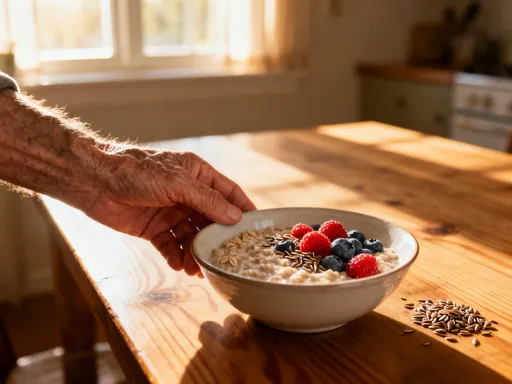
Next, focus on warming your meals. Start by incorporating more cooked, warm dishes—soups, stews, congees, and steamed vegetables—into your daily routine. Replace cold breakfasts like yogurt or smoothies with warm options such as oatmeal with cinnamon or rice porridge with ginger. Gradually reduce your intake of raw and cold foods, especially if you experience digestive discomfort or low energy. Pay attention to meal timing: aim to eat your largest meal at lunch when digestive fire is strongest, and keep dinner light and early to support restful sleep.
Another helpful tool is the “5 Signs Your Diet May Be Harming You” checklist. These include: frequent bloating or gas, persistent fatigue after meals, loose stools or undigested food in stool, a thick coating on the tongue, and a constant feeling of heaviness or coldness in the body. If you notice several of these signs, it may be time to reassess your eating habits through a TCM lens. Remember, the goal is not perfection, but progress. Even small shifts—like drinking warm water instead of iced, or chewing your food more thoroughly—can make a meaningful difference over time.
Conclusion: Eating with Wisdom, Not Rules
Food taboos in Traditional Chinese Medicine are not about fear, restriction, or rigid dos and don’ts. They are about cultivating awareness and making choices that support your body’s natural balance. This approach honors the individual, the season, and the wisdom of centuries of observation. It invites us to see food not just as fuel, but as a form of daily medicine that can either strengthen or weaken our vitality. The journey to better health doesn’t require extreme diets or quick fixes. It begins with simple, consistent choices—choosing warmth over cold, cooked over raw, and mindfulness over habit. By listening to your body and respecting its needs, you can build a foundation of energy, digestion, and resilience that lasts a lifetime. Eating with wisdom is not about following rules—it’s about returning to a deeper connection with yourself and the natural world.