What I Wish I Knew Earlier About Managing Cholesterol Without the Guesswork
High cholesterol sneaks up quietly—no symptoms, just risks. I learned this the hard way. After my check-up revealed borderline levels, I dove into research and real-life tweaks that actually work. It’s not about extreme diets or magic foods. This is about smart, science-backed eating habits that fit real life. What you eat matters, but how you eat matters just as much. Let’s clear the noise and focus on what truly helps—without the hype.
The Silent Risk: Why Cholesterol Management Can’t Wait
Cholesterol is a waxy substance produced by the liver and found in certain foods. While the body needs it to build cells and produce hormones, too much of the wrong kind can lead to serious health problems. There are two primary types: low-density lipoprotein (LDL), often called “bad” cholesterol, and high-density lipoprotein (HDL), known as “good” cholesterol. When LDL levels rise, cholesterol can accumulate in the artery walls, forming plaque that narrows blood flow and increases the risk of heart attack or stroke. HDL, on the other hand, helps remove excess cholesterol from the bloodstream and carries it back to the liver for disposal.
One of the most dangerous aspects of high cholesterol is that it typically causes no noticeable symptoms. Many people feel perfectly fine until a serious cardiovascular event occurs. This creates a false sense of security, especially among those who believe they are healthy because they feel energetic or maintain a normal weight. However, studies consistently show that elevated cholesterol is a major contributor to heart disease, the leading cause of death worldwide. According to the World Health Organization, an estimated 54% of ischemic heart disease cases are linked to high cholesterol. The risk is not limited to older adults; even individuals in their 30s and 40s can develop unhealthy lipid profiles due to long-term dietary habits.
A common misconception is that cholesterol problems only arise from eating fatty foods like butter or red meat. While diet plays a role, the bigger picture involves overall eating patterns, physical activity, genetics, and metabolic health. Some people with lean body types still struggle with high cholesterol due to genetic factors or hidden sources of unhealthy fats and sugars in their diets. The key is understanding that cholesterol management is not a short-term fix but a lifelong commitment. Waiting until a diagnosis to act can mean missing years of preventive opportunity. Early intervention through dietary and lifestyle adjustments can delay or even prevent the need for medication in many cases.
Instead of reacting to a crisis, the goal should be proactive maintenance. This means regular blood tests to monitor lipid levels, ideally starting in adulthood and continuing at intervals recommended by a healthcare provider. More importantly, it means adopting sustainable habits that support heart health before problems arise. The foundation of this approach lies in food choices, but also in how those foods are prepared, combined, and consumed over time. Small, consistent changes in daily routines can have a cumulative effect far greater than temporary diets. Managing cholesterol is less about restriction and more about making informed, intentional decisions that align with long-term well-being.
My First Mistake: Falling for the “Fat-Free” Trap
When I first learned my cholesterol levels were elevated, my immediate instinct was to eliminate all fat from my diet. I switched to fat-free milk, bought low-fat salad dressings, and stocked up on fat-free cookies and snack bars labeled as “healthy.” I assumed that if fat contributed to cholesterol, removing it would automatically improve my numbers. To my frustration, after several months, my next blood test showed little improvement. I felt confused and discouraged, wondering what I was doing wrong. It wasn’t until I started reading nutrition labels more closely that I discovered the hidden truth behind many fat-free products: they often contain significantly more sugar and refined carbohydrates than their regular counterparts.
Food manufacturers frequently replace the flavor and texture lost when fat is removed by adding sugar, corn syrup, or refined starches. These ingredients can spike blood sugar and insulin levels, leading the liver to produce more triglycerides and lower HDL cholesterol—a double blow to heart health. For example, a fat-free flavored yogurt might contain 20 grams of sugar per serving, mostly from added sweeteners, while a plain full-fat version with fresh fruit has half the sugar and beneficial fats that support satiety and nutrient absorption. The shift in nutritional science over the past decade has clarified that not all fats are harmful. In fact, certain fats are essential for hormone production, brain function, and the absorption of fat-soluble vitamins like A, D, E, and K.
The real issue isn’t dietary fat itself but the type and quality of fat consumed. Saturated fats, primarily found in red meat and full-fat dairy, should be limited, especially for those with elevated LDL. However, unsaturated fats—particularly monounsaturated and polyunsaturated fats—have been shown to improve cholesterol profiles. These are found in foods like avocados, nuts, seeds, olive oil, and fatty fish. Trans fats, once common in processed snacks and margarines, are the most harmful and should be avoided entirely. They not only raise LDL but also lower HDL, increasing inflammation and heart disease risk. Many countries have banned artificial trans fats, but they may still appear in some packaged baked goods, so reading ingredient lists for “partially hydrogenated oils” is crucial.
The lesson I learned was that eliminating fat wasn’t the solution—choosing better fats was. Instead of fearing all fat, I began to focus on incorporating heart-healthy sources into my meals. A handful of almonds as a snack, a drizzle of olive oil on vegetables, or adding sliced avocado to a sandwich became routine. These changes didn’t feel restrictive; they enhanced flavor and satisfaction. Over time, my cholesterol levels began to shift in the right direction. The takeaway is clear: quality matters more than quantity when it comes to fat. A balanced approach that includes moderate amounts of good fats supports both cholesterol management and overall well-being.
The Hidden Sugar Problem: How Sweeteners Sabotage Your Levels
Sugar is everywhere—not just in desserts, but hidden in sauces, breads, breakfast cereals, and even products marketed as “natural” or “low-fat.” What many people don’t realize is that excessive sugar intake can negatively affect cholesterol levels, particularly by increasing triglycerides and lowering HDL. When the body processes large amounts of sugar, especially fructose, the liver converts the excess into fat, which is then released into the bloodstream as triglycerides. High triglyceride levels are associated with atherosclerosis and an increased risk of cardiovascular disease. At the same time, diets high in added sugars are linked to reduced HDL, the protective cholesterol that helps clear arterial plaque.
Common sources of hidden sugar include ketchup, barbecue sauce, flavored oatmeal, granola bars, fruit juices, and flavored coffees. A single serving of store-bought pasta sauce can contain up to 12 grams of sugar, while a seemingly healthy smoothie from a café may have more than 40 grams—equivalent to ten teaspoons. Even “energy-boosting” snacks often rely on sugar for a quick lift, leading to energy crashes and increased cravings. The American Heart Association recommends no more than 25 grams (about 6 teaspoons) of added sugar per day for women, yet the average adult consumes over 70 grams daily. This widespread overconsumption contributes to metabolic imbalances that quietly undermine heart health.
Reducing sugar intake doesn’t require giving up sweetness altogether. One effective strategy is learning to read nutrition labels and ingredient lists. Sugar appears under many names, including sucrose, high-fructose corn syrup, cane juice, maltose, dextrose, and fruit concentrate. The higher up these ingredients appear on the list, the more sugar the product contains. Another practical step is replacing processed sweets with whole fruits, which provide natural sweetness along with fiber, vitamins, and antioxidants. An apple with almond butter, a banana blended into a smoothie, or berries added to plain yogurt offer satisfying alternatives without the blood sugar spikes.
Gradual changes are more sustainable than sudden restrictions. Start by cutting back on sugary beverages, which are the largest source of added sugar in most diets. Switching from soda to sparkling water with a splash of lemon or from sweetened iced tea to unsweetened herbal tea can make a significant difference. When baking at home, reduce the sugar in recipes by one-third—most desserts still taste sweet enough. Over time, taste buds adapt, and foods that once seemed normal may start to taste overly sweet. By focusing on whole, minimally processed foods, it becomes easier to manage sugar intake without feeling deprived. The result is not just better cholesterol numbers, but improved energy, mood, and long-term health.
Fiber Isn’t Just for Digestion—It’s a Cholesterol Game-Changer
Fiber is often praised for supporting digestion, but its role in cholesterol management is equally important, particularly soluble fiber. This type of fiber dissolves in water to form a gel-like substance in the digestive tract, where it binds to cholesterol and bile acids, preventing their absorption into the bloodstream. The liver then pulls more cholesterol from the blood to produce additional bile, effectively lowering circulating LDL levels. Research published in The American Journal of Clinical Nutrition shows that increasing soluble fiber intake by just 5 to 10 grams per day can reduce LDL cholesterol by 5% to 10%—a meaningful improvement that complements other heart-healthy habits.
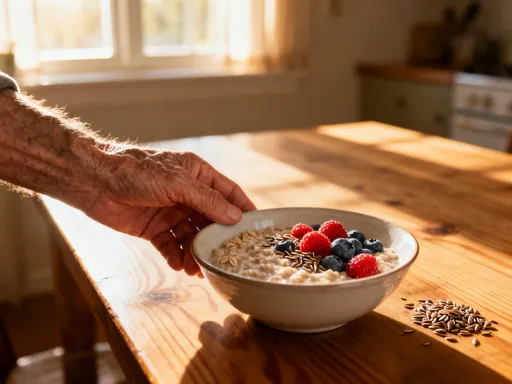
Some of the best sources of soluble fiber include oats, barley, legumes (such as lentils, chickpeas, and black beans), apples, pears, citrus fruits, flaxseeds, and psyllium husk. For example, a bowl of plain oatmeal made with water or unsweetened milk provides about 4 grams of soluble fiber. Adding a tablespoon of ground flaxseed boosts that amount by another 2 grams. Legumes are especially powerful; a single cup of cooked lentils contains over 15 grams of total fiber, nearly half of which is soluble. These foods also provide plant-based protein, complex carbohydrates, and essential nutrients, making them valuable additions to any balanced diet.
Incorporating more fiber doesn’t require a complete diet overhaul. Simple swaps can make a big difference. Choose whole grain bread instead of white, snack on raw vegetables or fruit instead of crackers, and include beans in soups or salads a few times a week. When cooking rice, try mixing in some barley or quinoa for added texture and fiber. Smoothies can be enhanced with chia seeds or oats. It’s also important to increase fiber intake gradually and drink plenty of water to prevent bloating or discomfort. The recommended daily fiber intake for women is 25 grams, but most people consume only about half that amount.
Beyond cholesterol, a high-fiber diet supports stable blood sugar, promotes a healthy gut microbiome, and increases satiety, which can aid in weight management. Since excess weight is a risk factor for high cholesterol, this creates a positive feedback loop. Unlike supplements or medications, fiber-rich foods are accessible, affordable, and easy to integrate into everyday meals. They don’t require special preparation or expensive ingredients. The key is consistency. Making fiber a daily priority, rather than an occasional addition, ensures lasting benefits. Over time, meals naturally become more balanced and nourishing, supporting both heart health and overall vitality.
Cooking Habits That Make or Break Your Progress
What happens in the kitchen has a direct impact on cholesterol levels. Frequent reliance on takeout, frozen meals, or restaurant food often means consuming excess sodium, unhealthy fats, and hidden sugars. These foods are typically prepared with palm oil, hydrogenated fats, or large amounts of butter and cheese to enhance flavor and shelf life. Deep-frying, a common cooking method in many cuisines, increases the amount of oxidized fats, which can promote inflammation and worsen lipid profiles. In contrast, home cooking allows control over ingredients, portion sizes, and preparation methods, making it one of the most effective ways to support heart health.
The choice of cooking oil matters significantly. Olive oil, especially extra virgin, is rich in monounsaturated fats and antioxidants that support healthy cholesterol levels. It’s ideal for sautéing vegetables, drizzling over grains, or making salad dressings. Canola oil and avocado oil are also heart-friendly options. On the other hand, oils high in saturated fats, such as coconut oil and palm oil, should be used sparingly. Butter, while flavorful, raises LDL and is best reserved for occasional use. When grilling or roasting, marinating proteins and vegetables with herbs, lemon juice, garlic, and spices can enhance taste without relying on salt or fat.
Meal prepping once or twice a week can simplify healthy eating during busy days. Pre-chopping vegetables, cooking a batch of quinoa or brown rice, and preparing bean-based stews or soups in advance reduces the temptation to order fast food. Simple recipes like baked salmon with roasted sweet potatoes and broccoli, lentil soup with a side of whole grain bread, or a stir-fry with tofu and mixed vegetables in sesame oil provide balanced nutrition without complexity. Using non-stick pans or parchment paper minimizes the need for added oil. Steaming, baking, grilling, and air-frying are all healthier alternatives to deep-frying.
Flavor doesn’t have to come at the expense of health. Herbs like rosemary, thyme, basil, and cilantro add depth to dishes without calories or sodium. Spices such as turmeric, cumin, and paprika offer both taste and anti-inflammatory benefits. Lemon zest, vinegar, and mustard can brighten flavors in place of salt or creamy sauces. Over time, these habits become second nature, and the preference for fresh, wholesome ingredients grows stronger. Cooking at home isn’t just about managing cholesterol—it’s about reclaiming control over what you feed your body and family.
The Protein Puzzle: Choosing the Right Kinds Matters
Protein is essential for maintaining muscle, supporting metabolism, and feeling full between meals, but not all protein sources affect cholesterol equally. Animal proteins, particularly red meat and full-fat dairy, tend to be higher in saturated fat, which can raise LDL levels when consumed in excess. Processed meats like bacon, sausage, and deli meats are especially problematic due to their high sodium, preservatives, and unhealthy fat content. Studies have linked regular consumption of processed meats to increased risks of heart disease and stroke. Even unprocessed red meat should be limited to a few servings per week for most people concerned about heart health.
Better protein choices include skinless poultry, fatty fish, legumes, nuts, seeds, and low-fat dairy. Fatty fish such as salmon, mackerel, sardines, and trout are rich in omega-3 fatty acids, which have been shown to lower triglycerides, reduce inflammation, and improve overall lipid profiles. The American Heart Association recommends eating at least two servings of fatty fish per week. Plant-based proteins like beans, lentils, chickpeas, and tofu provide fiber and phytonutrients while being naturally low in saturated fat. Nuts and seeds, though high in calories, contain heart-healthy fats and have been associated with lower cardiovascular risk when eaten in moderation.
It’s not necessary to eliminate animal protein entirely, but shifting the balance toward more plant-based and fish-based options can make a meaningful difference. For example, replacing a beef burger with a black bean burger, adding lentils to a pasta sauce, or having a tuna salad on whole grain bread instead of a ham sandwich are simple swaps that reduce saturated fat intake. Eggs, once feared for their cholesterol content, are now understood to have a minimal impact on blood cholesterol for most people and can be included in moderation as part of a balanced diet.
The key is variety and portion control. A serving of protein should be about the size of a deck of cards—roughly 3 to 4 ounces. Including a mix of protein sources throughout the week ensures a broad range of nutrients while minimizing reliance on any single type. This approach supports not only cholesterol management but also long-term dietary satisfaction. Eating well shouldn’t feel like a sacrifice; it should feel nourishing, enjoyable, and sustainable.
Putting It All Together: Building a Realistic, Sustainable Eating Pattern
Managing cholesterol doesn’t require perfection or extreme measures. Lasting change comes from consistency, not intensity. The most effective approach is to build a flexible, balanced eating pattern that fits your lifestyle and preferences. Think of it as creating a “heart-healthy plate”: half filled with vegetables and fruits, one-quarter with whole grains, and one-quarter with lean or plant-based protein. Add a small portion of healthy fat, like a sprinkle of nuts or a drizzle of olive oil, and you have a meal that supports cholesterol control and overall well-being.
Small, incremental changes are more likely to stick than drastic overhauls. Start by adding one serving of vegetables to dinner, switching to whole grain bread, or replacing a sugary snack with fruit and yogurt. Over time, these habits compound, leading to noticeable improvements in energy, weight, and lab results. It’s also important to enjoy food and allow for occasional treats. Deprivation often leads to burnout and rebound eating. The goal is progress, not purity.
No dietary plan replaces the need for professional medical guidance. Regular check-ups and blood tests are essential for monitoring cholesterol and adjusting strategies as needed. Some individuals may require medication despite their best efforts, and that’s okay. Lifestyle changes work best when combined with medical care, not in place of it. Always consult with a healthcare provider before making significant changes, especially if you have existing health conditions or are taking medications.
Finally, remember that heart health is a lifelong journey. It’s not about quick fixes or temporary diets, but about cultivating habits that support a longer, healthier life. Every meal is an opportunity to care for your body. By focusing on whole foods, mindful preparation, and balanced choices, you take meaningful steps toward better cholesterol and greater peace of mind. You don’t have to know everything at once—just start where you are, use what you have, and keep moving forward.