How I Learned to Invest in Art Without Losing My Mind
Ever tried buying art as an investment? I did—and almost lost more than money. What started as a passion turned into a financial rollercoaster. The truth is, art collecting isn’t just about taste; it’s about mindset. Without the right emotional discipline, even a masterpiece can become a money pit. Many people see a beautiful painting and imagine rising value, but few consider the hidden risks: illiquidity, emotional bias, lack of dividends, and volatile markets. Unlike stocks or real estate, art doesn’t generate income or provide clear performance metrics. Its worth hinges on perception, provenance, and patience. Here’s what I learned the hard way about staying sane, strategic, and successful in the art market—balancing love for beauty with the rigor of smart investing.
Why Art Feels Different from Other Investments
Art occupies a unique space in the world of finance because it defies traditional investment logic. It does not pay interest, deliver quarterly dividends, or appreciate in a predictable pattern. Instead, its value is shaped by a complex mix of cultural relevance, artist reputation, historical significance, and market sentiment. This emotional dimension is both the allure and the danger of art as an asset. When you purchase a stock, your decision is typically guided by financial data—earnings reports, price-to-earnings ratios, market trends. But when you buy a painting, sculpture, or photograph, you are often responding to an immediate, visceral reaction. You might feel drawn to the colors, the subject, or the story behind the work. That emotional connection can cloud judgment, making it difficult to assess whether the piece is fairly priced or has real long-term potential.
The absence of standardized valuation methods further complicates the process. Real estate has appraisals based on comparable sales. Stocks are evaluated using widely accepted financial models. But art? Two experts can look at the same piece and offer vastly different estimates. One might see a groundbreaking work by a rising talent; another might view it as overpriced and overhyped. This subjectivity means that pricing is often driven more by narrative than by fundamentals. Without careful research, buyers can easily overpay for works based on fleeting trends or celebrity endorsements. The danger increases when collectors treat art purely as décor or status symbols rather than assets with financial implications.
Yet, dismissing art as merely decorative ignores its proven role in wealth preservation. Over the past several decades, high-quality artworks have demonstrated strong long-term returns, often outperforming traditional asset classes during periods of economic uncertainty. According to the Art Market Report by Art Basel and UBS, the global art market reached $65 billion in 2022, with modern and contemporary art driving much of the growth. Works by artists like Jean-Michel Basquiat, Yayoi Kusama, and David Hockney have seen exponential appreciation, sometimes doubling or tripling in value within a few years. But these headline-grabbing successes represent only a fraction of the market. For every artist whose work soars, dozens see stagnant or declining prices. The key is recognizing that art, like any investment, requires due diligence, patience, and emotional detachment to succeed.
What sets art apart is its dual nature: it can bring aesthetic joy while also serving as a store of value. The most successful collectors understand this duality and learn to separate personal taste from investment potential. They appreciate beauty without letting it override financial prudence. This balance begins with acknowledging that art is not a liquid or income-generating asset. It demands time, research, and a willingness to hold through market fluctuations. By treating art as both a cultural and financial commitment, investors can avoid the common pitfalls of emotional buying and instead build collections that endure in value and meaning.
The Mindset Shift: From Fan to Investor
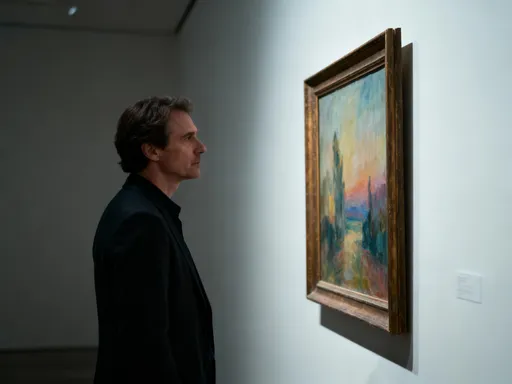
One of the most difficult transitions in art investing is shifting from being a fan to becoming an investor. At first, collecting feels like an extension of personal identity—an expression of taste, values, and passion. You see a piece that moves you, and the desire to own it becomes overwhelming. I once bought a large abstract painting simply because it made me feel calm every time I looked at it. It hung proudly in my living room for years. But when I eventually tried to sell it, I discovered that the market had little interest. The artist had no exhibition history, the provenance was unclear, and demand was minimal. I had paid a premium for something that held deep personal meaning but little financial value. That experience taught me a crucial lesson: loving a piece is not enough. To invest wisely, you must evaluate art not just with your heart, but with your mind.
The shift from emotional collector to strategic investor involves asking harder questions before every purchase. Who is the artist, and what is their track record? Has their work been shown in reputable galleries or museums? Are collectors actively acquiring their pieces? What is the resale history? These are not romantic inquiries, but necessary ones. Successful art investors approach each acquisition like a business decision. They still enjoy the work—they may even love it—but they do not let affection override analysis. This mental separation allows them to walk away from pieces they adore if the fundamentals don’t support long-term value. It means resisting the urge to buy at auction when excitement peaks or declining invitations to private sales that lack transparency.
Developing this discipline takes time. It requires accepting that not every beautiful piece is a good investment, and not every artist you admire will see market growth. I learned to create a checklist before making any purchase: exhibition history, representation by established galleries, presence in public or institutional collections, auction performance, and critical recognition. If a work met most of these criteria, it earned consideration. If it failed key points, no matter how much I liked it, I passed. This framework removed emotion from the equation and turned collecting into a structured process. It didn’t eliminate passion—it simply channeled it into more informed choices.
Another important aspect of this mindset shift is understanding risk tolerance. Art is inherently speculative, especially when dealing with emerging artists. While the potential for high returns exists, so does the possibility of total loss. Treating art as part of a diversified portfolio—rather than the centerpiece—helps maintain perspective. I now allocate only a portion of my investment capital to art, ensuring that a single underperforming piece won’t derail my financial goals. This approach allows me to enjoy the creative side of collecting while protecting my overall financial health. The transformation from fan to investor isn’t about losing passion—it’s about adding discipline so that passion can thrive without代价.
Spotting Value Beyond the Hype
In the art world, hype can be intoxicating. A young artist gets featured in a major magazine, sells out a gallery show, and suddenly their prices double. Collectors rush in, afraid of missing the next big thing. I was one of them. I bought a series of digital prints from an artist who was being hailed as “the future of contemporary art.” The work was striking, the narrative compelling, and the demand seemed endless. Within two years, however, interest faded. The artist’s next exhibition received lukewarm reviews, and resale prices plummeted. I sold at a significant loss. The lesson was clear: popularity does not equal lasting value. Real investment potential lies beneath the surface, in fundamentals that endure long after the spotlight moves on.
True value in art is built on a foundation of credibility, consistency, and context. An artist’s exhibition history—particularly in respected institutions—is one of the strongest indicators of long-term viability. Shows at well-known galleries, museum collections, or biennials suggest peer recognition and curatorial validation. These milestones are not easily achieved and often signal that an artist has moved beyond trend status. Similarly, representation by established galleries adds a layer of professionalism and market access. Reputable dealers vet artists carefully and provide career support, helping to sustain momentum over time. When evaluating a piece, I now prioritize these markers over social media buzz or celebrity ownership.
Provenance—the documented history of ownership—also plays a critical role. A work that was previously owned by a noted collector, exhibited in a major show, or published in a catalog raisonné carries more weight than one with an unclear past. Provenance builds trust and can significantly enhance resale value. I once considered buying a mid-century painting that lacked proper documentation. The dealer assured me it was authentic, but without a clear chain of ownership, I hesitated. I later learned the piece had been involved in a legal dispute over authenticity, confirming my caution. Research is essential. I now consult auction archives, gallery records, and artist databases to verify details before committing.
Another overlooked factor is artistic context. A painting may be technically impressive, but its significance increases if it represents a turning point in the artist’s career—such as their first use of a new medium, a breakthrough style, or a response to a major cultural event. These moments often become reference points in art history, making the works more desirable over time. I look for pieces that tell a story, not just ones that look good on a wall. By focusing on substance rather than spectacle, I’ve avoided overpaying for fleeting trends and instead built a collection anchored in enduring quality.
Liquidity: The Hidden Challenge No One Talks About
One of the most underestimated aspects of art investing is liquidity—or rather, the lack of it. Unlike stocks, which can be sold in seconds with a few clicks, art requires time, effort, and the right buyer. I learned this the hard way when I needed cash quickly and tried to sell a painting I had held for seven years. I assumed the value had risen and expected a smooth transaction. Instead, I faced a months-long process: finding a reputable auction house, paying for appraisal and photography, waiting for catalog placement, and finally, accepting a bid below my reserve price. In the end, I sold privately at a loss just to close the deal. The experience revealed a harsh truth: art is an illiquid asset, and that changes everything about how it should be managed.
Liquidity risk affects both financial and psychological planning. Because there’s no guaranteed buyer at any given time, you must be prepared to hold onto a piece for years—or even decades—regardless of your financial needs. This means only investing money you can afford to lock away. I now treat my art portfolio like a long-term endowment, not a trading account. I never allocate funds needed for emergencies, major purchases, or short-term goals. This discipline prevents forced sales during downturns and allows me to wait for optimal market conditions.
The mechanics of selling also add complexity. Auction houses typically charge seller’s fees ranging from 10% to 25%, depending on the estimated value and competitiveness of the market. Private sales require networks, trust, and negotiation skills. Even with strong demand, pricing is subjective. A work that sold for $50,000 five years ago may fetch less today, not because quality has changed, but because tastes have shifted or economic conditions have worsened. Valuation services exist, but they offer estimates, not guarantees. I’ve learned to view appraisals as guidance, not gospel.
This illiquidity also influences acquisition strategy. I now prioritize works with strong secondary market activity—pieces that have been resold multiple times with consistent or rising prices. These signals suggest ongoing demand and greater ease of exit. I avoid one-off purchases from obscure artists without resale history, no matter how compelling the story. Understanding liquidity constraints has made me a more cautious and deliberate buyer. It has also shifted my expectations: I no longer look for quick flips or rapid appreciation. Instead, I focus on long-term stewardship, knowing that true value in art often reveals itself slowly, over time.
Diversification: Don’t Bet Everything on One Canvas
Putting a large portion of your capital into a single artwork is one of the riskiest moves an art investor can make. It’s the equivalent of buying a single stock and hoping it becomes the next Apple. While such bets occasionally pay off, they more often lead to disappointment. I made this mistake early on, investing nearly half my art budget in a single large sculpture by an artist I admired. For a while, the decision seemed brilliant—the work was exhibited internationally, and interest grew. Then the artist’s output declined, health issues arose, and new collectors lost interest. The piece became difficult to sell, and its value stagnated. That experience taught me the importance of diversification.
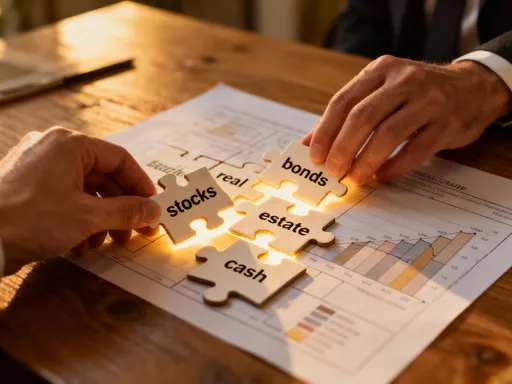
A well-structured art portfolio spreads risk across multiple dimensions: artists, mediums, price points, and styles. I now divide my investments between established names with proven track records and emerging talents with strong potential. I include paintings, drawings, photographs, and limited editions, each serving a different role. High-value works by blue-chip artists act as anchors, providing stability and credibility. Smaller pieces by lesser-known artists offer growth potential and allow for experimentation. This mix balances safety with opportunity.
I also set allocation limits—no more than 15% of my art budget to any single artist, and no more than 30% to one category, such as contemporary or abstract. These rules prevent emotional overcommitment and ensure that no single event can devastate the portfolio. If one artist’s market cools, others may still perform well. If a particular style falls out of favor, diversity provides a buffer. Diversification isn’t glamorous, but it’s protective. It allows me to enjoy the thrill of discovery without jeopardizing financial security.
Another benefit of diversification is exposure to different market cycles. Some artists peak early and fade; others gain recognition slowly over decades. By holding a range of works, I increase the chances of capturing value at various points in time. I also gain deeper insight into trends, as comparing performance across pieces reveals patterns. Over time, this approach has led to more consistent results and fewer emotional swings. Diversification doesn’t eliminate risk, but it makes it manageable—and that’s the foundation of sustainable art investing.
Tracking Performance Without Obsession
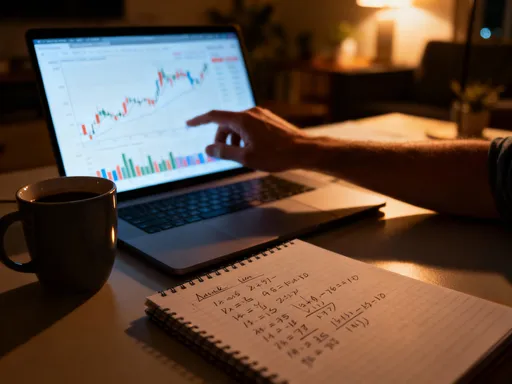
Art does not provide daily price updates. There’s no ticker symbol, no dashboard, no instant feedback. At first, this lack of information felt unsettling. I worried that I was missing opportunities or holding underperformers. I obsessively checked auction results, compared prices, and tracked every minor fluctuation. The constant monitoring led to anxiety and impulsive thoughts—should I sell now? Did I overpay? Was the market turning? I realized that this behavior was counterproductive. Unlike stocks, art appreciates over decades, not days. Short-term noise rarely reflects long-term value.
I changed my approach by adopting a structured review process. Instead of checking prices weekly, I now conduct annual assessments. I consult trusted art market indices, such as the Mei Moses Index or Artprice’s Global Art Market Report, to understand broader trends. I reach out to gallery representatives for feedback on artist activity. I review my collection not just for financial performance, but for coherence, quality, and legacy potential. This long-term lens reduces stress and supports better decision-making.
Tracking artist careers has become more important than tracking prices. I pay attention to museum acquisitions, critical essays, and exhibition invitations—signs of enduring relevance. A work may not have spiked in value yet, but if the artist is gaining institutional recognition, its future looks brighter. This perspective helps me stay patient and avoid reactive moves. I’ve learned that the best art investments are often the ones you forget about for years, only to discover they’ve grown significantly in worth and importance.
Letting go of constant monitoring has also allowed me to reconnect with the joy of collecting. I no longer view my collection solely through a financial lens. I appreciate how the pieces interact, how they reflect my journey, and how they might inspire future generations. Performance matters, but so does meaning. By balancing data with discernment, I’ve found a sustainable rhythm—one that honors both the art and the investment.
Building a Legacy, Not Just a Portfolio
In the end, my relationship with art investing has evolved from a pursuit of profit to a commitment to legacy. I no longer ask only whether a piece will increase in value. I ask whether it will matter in 50 years. Will it speak to future audiences? Does it represent something authentic, innovative, or culturally significant? This shift in perspective has brought a deeper sense of purpose to my collecting. I now think in generations, not just market cycles. I document provenance carefully, invest in proper storage and conservation, and consider how the collection might be passed on. These actions reflect a long-term stewardship mindset—one that values continuity as much as return.
A strong collection blends financial wisdom with cultural contribution. Some of my most meaningful acquisitions are not the most valuable, but the ones with compelling stories—works that capture a moment, challenge conventions, or express human experience in unique ways. These pieces may never top auction charts, but they enrich the collection’s depth and integrity. I’ve come to see that the real reward of art investing isn’t just financial gain, but the ability to preserve and share beauty, insight, and history.
Planning for the future also means thinking beyond ownership. I’ve explored options like donating to museums, establishing a private viewing program, or creating a family trust. These possibilities ensure that the collection continues to have impact, even after I’m no longer its caretaker. The mindset has shifted from accumulation to contribution. When investment and legacy align, the outcome is more than profit—it’s lasting significance. That, I’ve learned, is the true measure of success in art collecting.