How I Navigated Money Traps While Working Away From Home
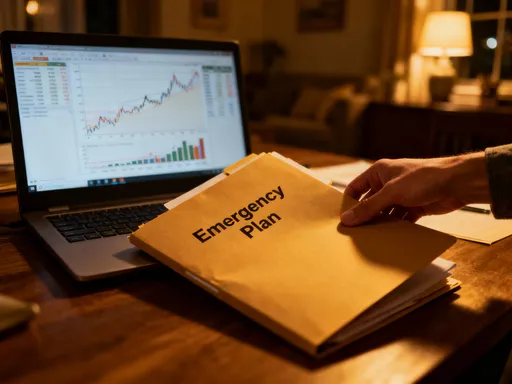
Moving for work sounded exciting—new city, better pay, fresh start. But no one warned me about the financial pitfalls waiting behind the scenes. From hidden bank fees to losing track of savings, I made every mistake possible. This is the real talk I wish I’d heard earlier: how to protect your money when your job takes you far from home, using tools that actually work without the fine print traps. What seemed like a straightforward transition quickly turned into a series of small but costly oversights—fees I didn’t anticipate, subscriptions I forgot to cancel, and a growing sense of financial drift. Over time, I learned that distance doesn’t just change your address; it reshapes your relationship with money. This article shares the lessons I gained the hard way, offering practical, field-tested strategies to help others avoid the same missteps.
The Hidden Cost of Distance
Relocating for a job often comes with a sense of optimism—higher salary, new opportunities, a chance to reinvent oneself. Yet beneath the surface, geographic mobility introduces a series of financial vulnerabilities that many are unprepared for. These are not dramatic crises but quiet leaks: small charges, overlooked expenses, and behavioral shifts that, over time, erode hard-earned income. The core issue lies in the mismatch between traditional financial habits and the realities of living and working away from one’s established financial ecosystem. Budgets designed for a familiar city become irrelevant in a new environment with different costs, while banking relationships rooted in physical branches lose their convenience when miles separate you from customer service.
One of the most common pitfalls is the assumption that income growth automatically leads to improved financial health. A higher salary in a new city can create a false sense of security, especially when the cost of living rises even faster. Rent, utilities, transportation, and groceries in urban centers often exceed expectations, particularly when housing markets are tight or temporary accommodations are required. What appears to be a generous paycheck can quickly disappear into inflated living expenses, leaving little room for savings. This phenomenon, sometimes called the 'income illusion,' affects many professionals who accept roles in high-cost areas without adjusting their spending behavior. The result is a paycheck that feels substantial but delivers minimal financial progress.
Another silent drain is the shift in daily financial behaviors. When routines are disrupted, spending patterns become less intentional. Dining out increases due to unfamiliar kitchens or long commutes. Subscription services accumulate as digital solutions replace physical ones—streaming platforms, delivery apps, coworking memberships. These expenses are rarely catastrophic on their own, but they compound over time, often going unnoticed until a monthly statement reveals a troubling trend. Without the accountability of familiar surroundings or family oversight, it becomes easier to justify small indulgences that, in aggregate, represent a significant portion of income.
The psychological impact of distance also plays a role. Being away from home can trigger emotional spending—comfort purchases, impulse buys, or over-gifting to maintain connections. Loneliness, stress, or cultural adjustment difficulties may manifest in financial decisions that feel justified in the moment but undermine long-term goals. This is especially true for those working in isolated or high-pressure environments, where financial discipline takes a back seat to immediate emotional needs. The absence of a support network can also delay the recognition of financial strain, as there is no one nearby to offer perspective or intervene before problems escalate.
Finally, outdated financial tools fail to adapt to mobile lifestyles. Many people continue using the same bank, credit card, or budgeting method they relied on at home, unaware that these systems are not optimized for异地 work. ATM fees pile up when networks are limited. Bill payments are missed due to time zone differences or lack of digital access. Currency conversion charges apply unexpectedly when traveling between regions. These friction points may seem minor individually, but collectively they represent a systemic inefficiency that undermines financial control. The solution is not to work harder but to work smarter—by adopting financial tools and habits designed for mobility, transparency, and resilience.
Choosing the Right Banking Setup
One of the most impactful financial decisions for someone working away from home is selecting the right banking structure. A poor choice can lead to recurring fees, limited access, and unnecessary stress, while the right setup provides stability, convenience, and peace of mind. The key is to evaluate banks not by brand loyalty or proximity to home, but by how well they support a mobile, location-independent lifestyle. This means prioritizing features such as nationwide ATM access, low or no transfer fees, robust mobile banking capabilities, and responsive customer service—all of which become essential when physical branches are out of reach.
Traditional brick-and-mortar banks often fall short in this regard. While they may offer a sense of familiarity and in-person support, their infrastructure is typically regional, meaning that out-of-network ATM fees can accumulate quickly. For someone frequently moving between cities or working in remote areas, this can translate into dozens of dollars in charges each month. Additionally, many traditional institutions impose fees for wire transfers, international transactions, or even maintaining a minimum balance—costs that disproportionately affect those with irregular income or fluctuating account balances. Customer service may also be constrained by business hours and geographic limitations, making it difficult to resolve urgent issues when working across time zones.
In contrast, digital banks—also known as neobanks or challenger banks—have emerged as strong alternatives for异地 workers. These institutions operate entirely online, eliminating the overhead costs associated with physical branches and passing those savings on to customers. Most offer fee-free ATM access through global networks, seamless peer-to-peer transfers, and real-time transaction alerts. Their mobile apps are designed for constant access, allowing users to deposit checks, monitor spending, and freeze compromised cards instantly. Some even provide built-in budgeting tools or integrate with third-party financial apps, creating a more cohesive money management experience. For professionals who value convenience and transparency, digital banks often deliver superior functionality at a lower cost.
However, not all digital banks are created equal. It is crucial to assess their regulatory standing, deposit insurance coverage, and data security protocols before opening an account. A bank that lacks FDIC or equivalent protection puts funds at risk, regardless of how sleek its interface may be. Similarly, customer support must remain accessible—even without branches, users should be able to reach a live representative during emergencies. Reading user reviews, checking complaint resolution records, and testing response times can provide valuable insights into a bank’s reliability. The goal is not just to avoid fees but to build a trustworthy financial foundation that supports long-term stability.
For those who prefer to maintain a relationship with a traditional institution, hybrid models offer a middle ground. Some established banks now offer digital-first sub-brands or enhanced mobile services that mimic the flexibility of neobanks while retaining the security of a well-known name. These options can be ideal for individuals who want the best of both worlds: the credibility of a regulated bank and the convenience of modern technology. Ultimately, the decision should be guided by personal needs—frequency of travel, income consistency, and comfort with digital platforms—rather than defaulting to what has always been used.
Digital Wallets: Convenience vs. Risk
Digital wallets have become a cornerstone of modern financial life, offering speed, ease, and integration with everyday services. For异地 workers, they provide a way to make quick payments, split bills, and manage transactions without carrying cash or physical cards. Platforms like Apple Pay, Google Pay, and various regional mobile payment apps allow users to link bank accounts or credit cards and complete purchases with a tap or scan. On the surface, this convenience seems ideal for a mobile lifestyle. However, beneath the seamless interface lies a set of risks that, if ignored, can compromise both financial control and personal security.
One of the primary concerns is the lack of spending visibility. Because digital wallet transactions are often frictionless—completed in seconds with minimal confirmation—it becomes easier to lose track of how much is being spent. Unlike traditional card purchases that require a signature or PIN, many digital payments rely on biometric authentication or simple device unlocking, reducing the psychological barrier to spending. This can lead to unconscious overspending, particularly in environments where dining out, transportation, or entertainment costs are high. Without deliberate tracking, these small, frequent transactions accumulate into significant outflows that are difficult to reconcile at the end of the month.
Another issue is integration with budgeting systems. While some digital wallets offer spending summaries or category breakdowns, many do not sync automatically with personal finance apps. This creates a gap in financial oversight, forcing users to manually import data or rely on incomplete records. For异地 workers already managing multiple accounts and currencies, this adds an unnecessary layer of complexity. A more effective approach is to use digital wallets that integrate seamlessly with budgeting tools, enabling real-time expense tracking and automated categorization. This level of transparency helps maintain accountability, especially when income and expenses fluctuate across locations.
Security is another critical consideration. Digital wallets store sensitive financial information on devices that may be lost, stolen, or hacked. While encryption and tokenization technologies help protect data, they are not foolproof. Public Wi-Fi networks, outdated software, or phishing attempts can expose users to unauthorized access. Some platforms also collect extensive usage data, raising privacy concerns about how personal information is stored and shared. To mitigate these risks, users should enable two-factor authentication, regularly update their devices, and avoid linking primary bank accounts directly to digital wallets. Using a dedicated credit card with a low limit for mobile payments can provide an additional layer of protection.
Despite these risks, digital wallets remain valuable when used strategically. They reduce the need to carry physical cards, minimize contact with shared surfaces, and streamline cross-border transactions in regions where local payment methods dominate. The key is to treat them as tools rather than defaults—activating them for specific purposes while maintaining oversight through regular monitoring and budget alignment. By doing so,异地 workers can enjoy the benefits of convenience without sacrificing financial discipline.
Automated Savings: Set It and Forget It (But Do It Right)
Automation is often hailed as the ultimate solution for disciplined saving, especially for those with unpredictable schedules or limited time for financial management. The idea is simple: set up recurring transfers from a checking account to a savings vehicle, and let the system handle the rest. For异地 workers, this can be a powerful way to maintain consistency despite frequent moves, changing income streams, or shifting priorities. However, automation only works when it is designed thoughtfully. A poorly configured system can lead to overdrafts, missed opportunities, or even financial strain—turning a helpful tool into a source of stress.
The most common mistake is setting up fixed-amount transfers without considering income variability. Many异地 professionals experience fluctuations in pay due to contract work, bonuses, or seasonal demand. A transfer that works comfortably during a high-earning month may trigger an overdraft when income dips. To avoid this, automated savings should be income-synchronized—meaning the transfer amount adjusts based on available balance or recent deposits. Some banks and fintech platforms offer smart rules that allow users to set percentages instead of fixed sums, ensuring that savings scale with earnings. This approach maintains financial flexibility while still promoting disciplined accumulation.
Another overlooked factor is timing. Transfers scheduled too close to bill due dates can create cash flow conflicts, especially when processing delays occur. A better strategy is to align savings automation with pay cycles—initiating transfers shortly after income is received, but before discretionary spending takes place. This 'pay yourself first' method ensures that saving is prioritized, not treated as an afterthought. Additionally, using separate savings accounts for different goals—such as emergency funds, travel, or home repairs—can enhance clarity and motivation. Naming these accounts descriptively (e.g., 'Rainy Day Fund' or 'Home Return Savings') reinforces their purpose and reduces the temptation to dip into them prematurely.
Geolocation-based triggers represent a more advanced form of automation that can benefit mobile professionals. Some financial apps now allow users to set rules based on location—for example, automatically saving a portion of income when entering a high-cost city or pausing transfers during temporary unemployment. While not universally available, these features demonstrate the potential for adaptive financial systems that respond to real-life conditions. Even without such technology, individuals can manually adjust their automation settings when relocating or experiencing major life changes, ensuring that their savings strategy remains aligned with current circumstances.
Finally, it is important to review automated systems regularly. What works today may not work six months from now. Life changes—new jobs, unexpected expenses, or shifts in financial goals—require periodic reassessment. Setting calendar reminders to evaluate savings performance, account balances, and transfer rules can prevent complacency. Automation should not mean abdication; it should be a dynamic process that evolves with the user’s needs. When implemented correctly, it becomes a silent partner in wealth building—one that works consistently, quietly, and effectively.
Investment Tools That Travel With You
Staying consistent with investing while working异地 is one of the most challenging aspects of long-term financial planning. The demands of a mobile career—frequent relocations, irregular hours, and shifting priorities—can make it difficult to maintain focus on wealth accumulation. Yet, delaying or neglecting investment activity can have serious long-term consequences, particularly in terms of compound growth and retirement readiness. The good news is that modern financial technology has made it easier than ever to invest consistently, regardless of location. The key is to choose platforms that are accessible, low-maintenance, and designed for simplicity without sacrificing security or compliance.
Robo-advisors have emerged as a popular solution for mobile professionals seeking hands-off investment management. These digital platforms use algorithms to build and rebalance diversified portfolios based on user preferences, risk tolerance, and financial goals. They typically require low minimum investments, charge minimal fees, and operate entirely online—making them ideal for those who cannot visit physical brokerage offices or attend in-person consultations. Most robo-advisors also offer automatic contributions, tax-loss harvesting, and retirement planning features, allowing users to stay on track without constant oversight. For异地 workers, this means being able to maintain a consistent investment strategy even when life is in flux.
Another valuable option is commission-free trading platforms that allow direct ownership of stocks, ETFs, and other securities. These apps eliminate the high fees traditionally associated with stock trading, making it feasible to invest small amounts regularly through dollar-cost averaging. Many also provide educational resources, market insights, and portfolio analysis tools, empowering users to make informed decisions. While self-directed investing requires more engagement than robo-advisory services, it offers greater control and customization. For those who prefer a hybrid approach, combining automated portfolios with targeted stock purchases can balance convenience and personal involvement.
Accessibility is a major advantage of modern investment tools. Unlike traditional brokerage accounts that may require in-person verification or paper documentation, most digital platforms allow full account setup online using identity verification and electronic signatures. This eliminates delays and logistical hurdles, enabling users to start investing immediately upon relocation. Additionally, mobile apps ensure that portfolio monitoring and transaction execution are possible from anywhere with an internet connection. Whether in a temporary housing unit, a coworking space, or a foreign country, individuals can stay connected to their financial future.
Regulatory compliance and fund security remain essential considerations. Not all investment platforms operate under the same standards, and some may not offer the same level of investor protection as regulated brokers. It is important to verify that a platform is registered with relevant financial authorities, that assets are held in segregated accounts, and that insurance or compensation schemes are in place. Reading the fine print, checking user reviews, and consulting independent financial resources can help avoid platforms that promise high returns but lack transparency. The goal is not to chase performance but to build a stable, sustainable investment habit that supports long-term financial well-being.
Avoiding Scams and Fake 'Quick-Gain' Schemes
Isolated from familiar support networks and often under professional pressure,异地 workers are particularly vulnerable to financial scams. Scammers exploit this vulnerability by offering seemingly attractive opportunities—high-return investments, guaranteed income streams, or exclusive financial products—that promise quick gains with little effort. These schemes often appear legitimate, using professional websites, testimonials, and complex jargon to build credibility. However, they are designed to extract money, not generate wealth. Recognizing the red flags and understanding how to verify opportunities is essential for protecting hard-earned income.
One common tactic is the 'too-good-to-be-true' investment offer. These may come through social media, messaging apps, or word-of-mouth recommendations from new acquaintances. Promises of 10%, 20%, or even higher monthly returns should immediately raise suspicion. Legitimate investments rarely deliver consistent high yields without commensurate risk, and regulatory bodies often warn against such claims. Another red flag is pressure to act quickly—scammers create urgency to prevent victims from conducting due diligence. Phrases like 'limited-time offer' or 'exclusive access' are designed to bypass rational thinking and trigger impulsive decisions.
Phishing attempts are another prevalent threat. These involve fake emails, texts, or websites that mimic legitimate financial institutions, urging users to log in, update personal information, or verify account details. Once credentials are entered, scammers gain access to bank accounts, credit cards, or investment portfolios. These attacks are often sophisticated, using logos, branding, and language that closely resemble official communications. To defend against them, users should never click on unsolicited links, always verify sender addresses, and contact institutions directly through official channels when in doubt.
The best defense against scams is a disciplined verification process. Before engaging with any financial product or service, individuals should research the provider, check registration with financial regulators, and consult independent review sources. Trusted channels—such as employer-sponsored financial education programs, certified financial planners, or government consumer protection agencies—can provide reliable guidance. It is also wise to discuss major financial decisions with a trusted family member or advisor, even if remotely. This external perspective can help identify risks that may be overlooked in isolation.
Finally, cultivating a mindset of skepticism toward unsolicited offers is crucial. If an opportunity seems effortless or guarantees returns, it is almost certainly a scam. True wealth building is gradual, transparent, and rooted in disciplined habits—not shortcuts. By staying informed and cautious,异地 workers can protect themselves from exploitation and focus on sustainable financial growth.
Building a Financial Safety Net Across Locations
True financial security for异地 workers does not come from high income alone but from resilience—the ability to withstand unexpected events no matter where life takes them. A robust financial safety net ensures continuity during transitions, emergencies, or setbacks. It is not a single account or tool but a layered system that combines liquidity, documentation, redundancy, and trusted relationships. Building this foundation requires intentionality, but once in place, it provides quiet confidence—a sense that, regardless of location, one’s financial well-being is protected.
At the core of this safety net is an emergency fund. Financial experts commonly recommend saving three to six months’ worth of essential expenses in a readily accessible account. For异地 workers, this fund should be held in a stable currency, preferably in a bank with nationwide or international access. It should be separate from regular checking and savings accounts to prevent accidental spending. Regular contributions, even small ones, ensure that the fund grows over time. The goal is not to achieve a perfect balance overnight but to create a buffer that can cover rent, utilities, medical costs, or travel in case of job loss, illness, or urgent relocation.
Clear documentation is equally important. Important financial records—bank account details, insurance policies, investment statements, identification documents—should be digitized and stored securely in encrypted cloud storage. Access should be shared with a trusted family member or advisor through secure sharing tools. Physical copies, if needed, should be kept in a fireproof safe or with a reliable contact back home. This ensures that critical information remains available even if a device is lost or a move is sudden.
Multi-platform backups add another layer of protection. Relying on a single bank, app, or device creates vulnerability. If a service goes down or an account is frozen, access to funds can be disrupted. Maintaining relationships with more than one financial institution, using multiple payment methods, and having alternative communication channels reduces this risk. For example, having both a digital bank and a traditional bank allows for flexibility in case one system experiences technical issues. Similarly, keeping a backup credit card with a different network can prevent payment failures when traveling.
Finally, cultivating trusted contacts provides both practical and emotional support. These may include family members, close friends, or professional advisors who can assist with financial decisions, receive emergency funds, or serve as points of contact during crises. Regular communication helps maintain these relationships and ensures that help is available when needed. Over time, managing money across locations stops being a burden and becomes a quiet advantage—an expression of foresight, discipline, and control that supports not just financial health, but overall well-being.